Pacing a Poker Fan Page Around the Blind Clock
Most poker fan content follows the same rhythm: a dramatic hand, a big name, a headline promising a showdown. Private clubs rarely have the luxury of that rhythm, and they should not want it. A better organizing principle is the clock the game itself keeps. Blind levels rise on a schedule, breaks arrive at fixed intervals, and chip stacks move in ways that tell a story without needing to name anyone. Building a fan page around that natural pacing lets readers follow along while keeping the room's identity where it belongs.
Start With the Structure, Not the Stars
Every session has a skeleton: the opening level, the first break, the middle stretch where stacks separate, and the final levels where play compresses. Mapping your content to that skeleton gives readers a reason to return. A post titled around the third level reads differently from a post about one player's bad beat, and it invites the reader to understand the game rather than gossip about it.
Before writing, sketch the session as a timeline. Mark when blinds change, when breaks fall, and when the chip distribution shifts meaningfully. Those markers become the sections of your post. You are describing how the game unfolded, which is useful to newcomers and to fans who already know the rules.
Use Play Chips as the Unit of Story
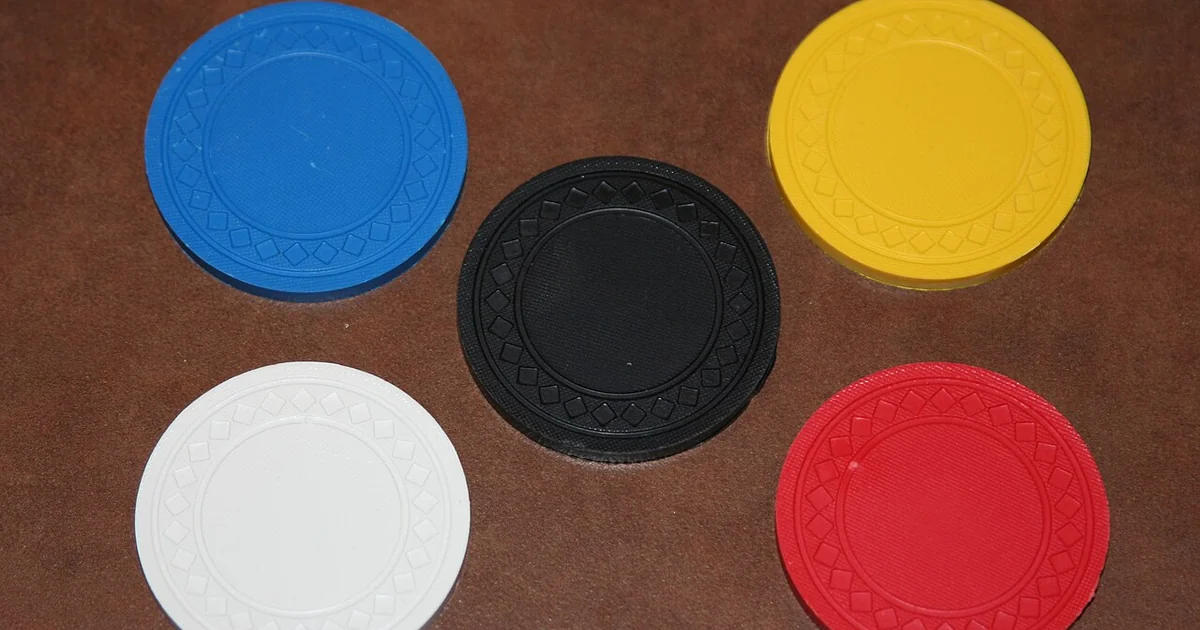
Play chips are the natural currency of a private club's narrative, and they carry no cash value. Describe them as chips, counts, and proportions of the starting stack. A stack that doubled from its starting amount is a clear, honest story beat. A stack described as having grown into a prize sum would misrepresent the game, so avoid language that suggests anything beyond the chips in play.
Percentages and relative positions often communicate more than raw numbers. Saying that one seat held roughly a third of all chips at the break tells readers the balance of power without requiring you to publish a precise ledger for each member.
Build a Pre-Publication Checklist
Before any post goes live, run through a short set of questions. Did every person named agree to appear? Are the blind levels and break times accurate against the club's own record? Does any sentence imply that chips can be exchanged for money? Would a member recognize the post as a fair account of the session, or would they feel exposed?
If the answer to any of these is uncertain, cut the detail. A shorter post that is accurate and consented to serves the room better than a long one that strains those limits. Keep the checklist attached to your editorial process so it is applied consistently, not only when someone remembers.
Explain the Clock to Newcomers
A fan page that teaches as it reports earns repeat readers. Explain what a blind level is, why stacks shrink as levels climb, and why a break changes table dynamics. Use a single session as the worked example so the lesson stays concrete. A newcomer who understands why the big blind rising every set interval forces tighter decisions will follow the next recap with much more interest.
Keep explanations general. Describe how pacing works in poker broadly rather than revealing how a particular private room schedules its breaks or who sits where.
Keep the Room in Its Place
The strongest fan pages for invitation-only clubs make the room feel like a place worth belonging to without opening its doors. Describe the rhythm, the rituals, and the craft of the game. Leave out seat assignments, private contact details, and anything that would let an outsider locate or identify members. A reader who finishes the post should understand the game better and feel curious about the club's invitation process, not feel they have already seen inside.
Pacing your content around the blind clock gives you a structure that is honest, teachable, and respectful of the people at the table. It turns the game's own rhythm into your editorial rhythm, which is exactly what a private club's fan page should be.