Fan Pages Built Around the Dealer's Clock and Its Pauses
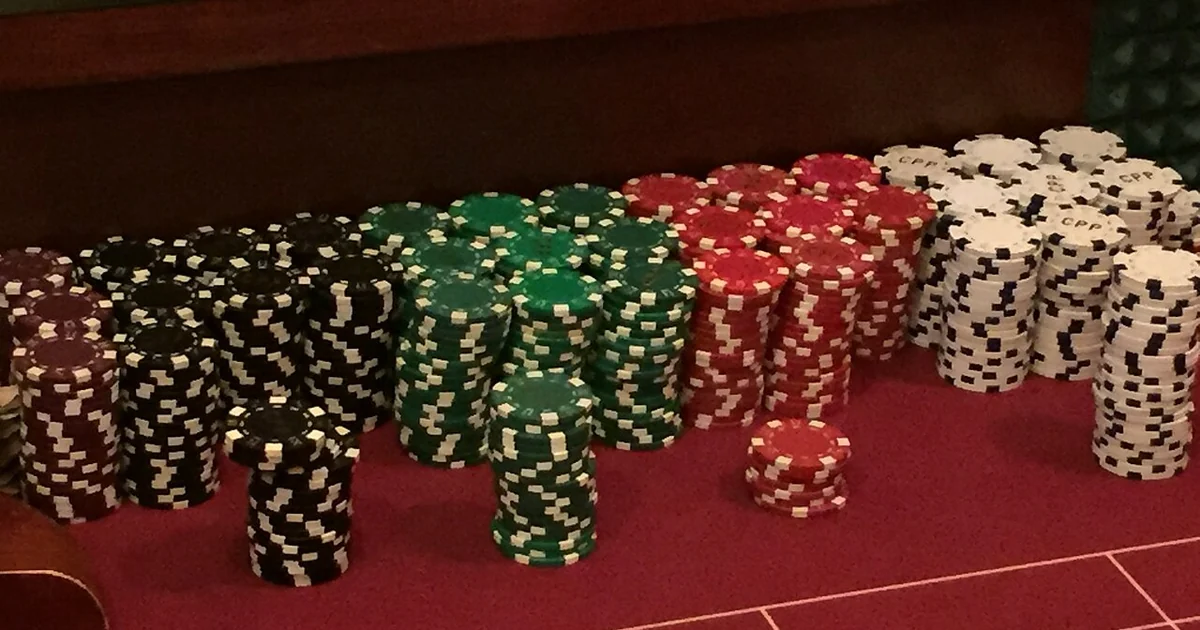
Most poker fan content borrows its structure from sports coverage: a famous name, a score, a highlight. Private poker clubs have a different rhythm. Their games unfold in invitation-led rooms, with play chips that have no cash value, and the pace is set by the deal, the pause, and the break. A fan page that follows that rhythm can give readers a real sense of the game without turning members into characters. This article describes one method: organize content around the clock of a session rather than around individuals, and check each entry against a short set of questions before it goes live.
Why the Clock Makes a Better Spine Than the Cast
A session has a natural structure: the shuffle, the deal, the rounds of betting, the pot awarded, the next hand. Breaks come at set intervals, and the dealer rotates on a fixed cycle. Building a page around this clock gives readers something they can follow without needing to know who is seated where. The subject becomes the game's rhythm, which is useful to newcomers and interesting to experienced fans.
This approach also reduces the temptation to profile people. When the anchor is a time sequence, there is less pressure to name a player, describe a stack, or hint at someone's habits. The page can explain what happens during a level change or why a dealer pauses between orbits without implying anything about the people at the table.
Writing About Pauses Without Revealing the Room
Pauses are where fan pages most often leak detail. A line such as 'the table went quiet for three minutes while the leader considered his options' tells readers about a specific person at a specific moment. Instead, describe pauses generically: what the rules allow, why a clock is used, how dealers signal a break. Explain that pauses exist to keep action moving and to give everyone time to act, and let readers draw their own picture of the general pattern.
Use general language for timing too. Say that a session has scheduled breaks and that the dealer calls them, rather than describing exactly how long a particular round lasted in a particular room. The goal is to make the mechanics vivid while keeping the specific room and its people out of frame.
A Verification Checklist Before You Publish
Before any post goes live, run through a short list of questions. Does this sentence describe a rule, a general pattern, or a moment that only the room witnessed? Would a member recognize themselves from the details? Does the text suggest that play chips carry cash value, or that the club offers a result, prize, or service it has not stated? Is any invitation process described as easier or harder than it is? If the answer to any of these is unclear, rewrite the line or cut it.
A second set of questions covers the boundaries. Has anyone been asked whether they want to appear, even in passing? Is a photograph or quote tied to a named person without permission? Does the page reveal the location, schedule, or membership size of a room that is meant to be private? Editors should treat each yes as a reason to pause, not as a box to tick.
Comparing Two Approaches
Consider two versions of the same content. The first is a recap built around a named regular who 'pulled off a bluff nobody saw coming.' It is memorable, but it spotlights one person and implies details about how they play. The second describes the hand's stages: the sequence of actions, the pot growing with each round, the reasoning a reader could apply to a similar spot. The second version is less dramatic but more durable, and it gives fans something they can use.
A simple way to choose between approaches is to ask whether the piece would still be worth reading if every name were removed. If yes, it is probably built on the right foundation. If the only appeal is who was involved, the piece needs reworking around the game itself.
Fan pages that follow the dealer's clock tend to be more consistent, easier to edit, and less likely to create problems for members. They also teach readers something real about poker, which is what most fans came for in the first place.