Fan Pages That Grow Through Chip Questions, Not Member Exposure
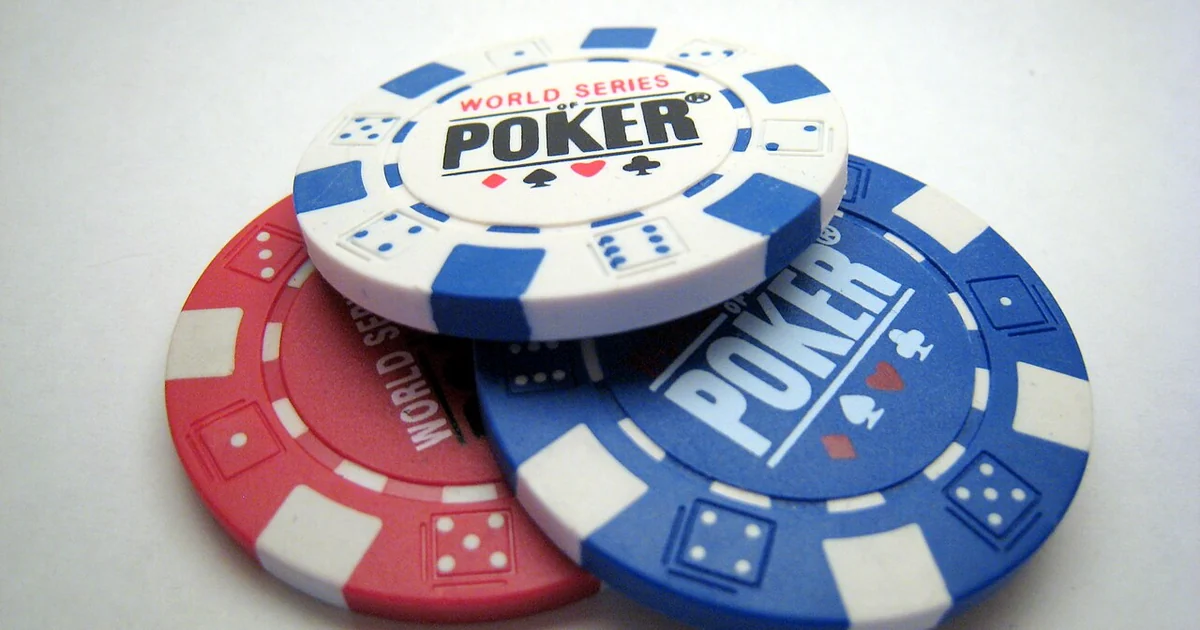
Fans of poker want to feel close to the game, and operators of private clubs want fans who understand what they are looking at. Those goals can coexist, but only if the fan page is built around the game's ideas rather than the room's people. This article offers a working method for a fan page that serves curious readers while leaving members' identities, habits, and private table details alone. The approach is general and applies to any invitation-led poker community that uses play chips rather than cash.
Start With the Questions Fans Actually Ask
Before drafting anything, collect the questions that visitors send, post in comments, or type into search. In most poker communities these fall into a few groups: how a hand works, what a term means, how a tournament structure moves players through levels, why a player made a particular decision, and how someone can get involved. Each group points toward a different kind of page. Rules and terminology suit explainers. Structure questions suit a guide to how events are organized. Involvement questions suit a page about how the invitation and waiting process works in general terms.
Notice what the list rarely contains. Fans seldom need to know who sat in seat four last Thursday. When a question does point at a specific person, treat it as a signal to explain the general mechanism instead of answering the personal part. A fan who asks why big stacks sometimes fold strong hands is asking about strategy, and that can be answered with examples invented for teaching purposes rather than drawn from members' real sessions.
Separate Teaching Examples From Real Records
One of the easiest ways to leak private information is to borrow a real hand history for an illustration. Even with names removed, a distinctive sequence of bets, a memorable board, or a timing detail can point back to a specific table and the people at it. A safer habit is to build hypothetical hands from scratch. Write down stack sizes, positions, and actions that illustrate the concept, and label the example clearly as a constructed illustration. This keeps the lesson intact and removes any link to an actual session.
A useful test for any example is to ask whether a member could recognize their own play in it. If the answer is yes, rebuild the example. If the answer is no and the concept still comes through, the example is ready to publish.
Describe Chips as Chips
Play chips are a point where fan pages often drift into trouble. Readers who see large chip totals may assume the totals represent money, or they may start treating chip rankings as a scoreboard with real stakes. Accurate language prevents that. Describe chips as tokens used for play that have no cash value, and make that statement near any number you publish. When you explain a chip count, explain what it measures inside a game, not what it could be worth elsewhere.
Avoid vocabulary that suggests winnings, payouts, or earnings unless you are describing an in-game ranking and have said so. Words like profit, bankroll, and cashout carry meanings that readers bring with them from other contexts, so keep them out of posts about play chips.
Run a Pre-Publication Checklist
A short checklist keeps the editorial line steady across many posts. Before publishing, ask whether the piece names or identifies any member, including through nicknames, photos, or distinctive habits. Ask whether it reveals a specific table, date, or session that outsiders could match to real people. Ask whether any chip figure is presented alongside language that implies cash value. Ask whether the piece describes the invitation process in a way that suggests guaranteed access, faster admission, or any outcome the club has not stated. Ask whether a teaching example is constructed or borrowed.
If any answer is uncomfortable, revise before publishing. A post that is slightly less dramatic but accurate will serve readers better over time than one that trades on access to people who never agreed to be featured. Keep a record of the questions you asked and the changes you made so that the standard stays consistent when different writers work on the page.
Let the Waiting Room Shape the Schedule
A fan page for an invitation-led club should not promise a steady stream of spectacle. Instead, let the rhythm of the club's own processes guide the content. When a new round of invitations is being considered, publish a plain explanation of how the process works in general terms. When the club introduces a new format, explain the structure before describing any particular event. This keeps the page honest about what the club does and avoids implying openings that may not exist.
Readers who arrive through a fan page should leave understanding the game better, knowing what the club is, and knowing where to find the club's own stated information about joining. Measure the page by whether those outcomes happen, not by how many people visit.