Fan Pages Built on Question Lists: What to Ask Before Your Poker Club Publishes
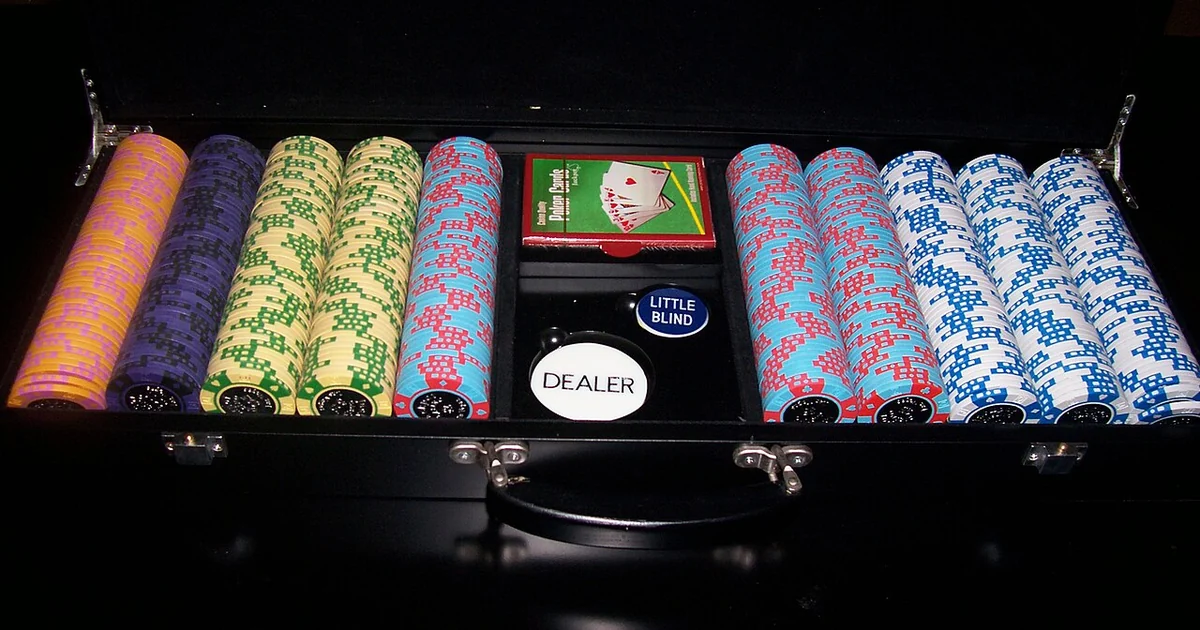
A fan page for a private poker club sits in an unusual spot. Fans want access, stories, and a sense of the room, while members expect discretion and operators need to avoid promising more than the club delivers. The fastest way to get this right is not to start with copy or design. It is to start with a question list that every draft must pass. This article offers one such method, organized around the decisions a fan page forces you to make, and gives you a checklist you can apply before anything goes live.
Start With What the Page Is For
Before writing a single line, name the job of the page in one sentence. For an invitation-led club, a useful job statement might be: this page explains how the club works, what fans can follow publicly, and how people ask to be considered for membership. That sentence rules out a lot. A page that tries to be a live feed, a player directory, and a sales funnel at once will end up exposing details that no one meant to publish.
Write the job statement down and keep it visible during editing. When a proposed post falls outside it, the post should move elsewhere or be dropped, however appealing it looks.
Ask Who Each Sentence Is Protecting
Every claim on a fan page benefits someone. A sentence about a player's run can delight fans while embarrassing the player. A description of a room's atmosphere can build interest while revealing the location of a private game. Read each sentence and ask who it helps, who it could expose, and whether the people it describes have agreed to appear.
Consent here means more than a shrug in a hallway. For member-related material, the safe default is to publish nothing that identifies a member unless that member has clearly agreed to it, and to prefer describing the room in general terms over describing any individual inside it.
Describe Play Chips Precisely and Repeatedly
The club's own description is that play chips have no cash value. A fan page should repeat that idea in plain language wherever chips come up, including in captions, recaps, and explanatory sections. Avoid vocabulary that suggests winnings can be redeemed, converted, or banked, and avoid comparisons that imply a financial return.
A useful test is to read a chip-related sentence as a newcomer would. If a reasonable reader could come away thinking the chips are money, rewrite it. Stating the no-cash-value fact early in a post is better than burying it in a footnote most readers never see.
A Pre-Publication Checklist
Run every post through these questions in order. Does it fit the stated job of the page? Does it name, picture, or describe any member without documented consent? Does it reveal a table location, schedule, seating arrangement, or the identity of anyone attending a private session? Does it describe play chips in a way that could be read as cash or as a promise of return? Does it promise access, membership, or outcomes that the invitation process does not guarantee? Does it rely on a claim about the club's features, security, or service levels that the club has not explicitly stated?
If any answer is uncomfortable, revise before publishing. If a revision cannot satisfy the question, cut the post. Keep a short log of cut posts so the team can see patterns over time.
Explain the Invitation Path Honestly
Fans will ask how to join, and a fan page should answer without pressure. Describe the invitation process as the club describes it, and say plainly that membership is approved by the owner and is not guaranteed. Avoid language that implies scarcity tricks, countdowns, or assurances of acceptance. A short paragraph that explains what the process is, that it is selective, and that applying does not guarantee a seat tends to serve fans better than enthusiasm that over-sells the outcome.
Pair that explanation with general education about poker itself, such as how hands are ranked or what a blind structure means. Explaining the game is a generous service that reveals nothing about any private room, and it gives fans a reason to keep reading even if they never receive an invitation.
Keep the Room Out of Frame
The strongest protection for members is restraint in what the page shows. Avoid photographs that reveal the layout, lighting cues, or identifiable faces. Describe the experience of the game in general terms: the rhythm of a session, the etiquette at the table, the care taken with chips. Those details give fans a feel for the club without mapping it.
Operators sometimes worry that restraint will make the page dull. In practice, fans respond well to clarity and craft. A well-written explanation of how a hand unfolds is more engaging than a blurry photograph of a closed room, and it respects everyone who sat down at the table.