Fan Pages That Welcome Watchers Without Opening the Door
A fan page for a private poker club sits in an unusual spot. People who love the game want to follow what happens at the tables, read about close hands, and feel connected to a community they cannot yet join. Club operators, meanwhile, have made a deliberate choice to keep membership limited and play private. A good fan page reconciles these two things instead of pretending one must give way to the other. The question is not whether to have a fan page, but what it should contain, who it should describe, and how it should signal that a seat at the table is earned through an invitation process rather than through enthusiasm alone.
Decide what the page is for before writing anything
Most fan pages drift because nobody settled their purpose. A page can aim to inform existing members, to give prospective members a sense of the club's character, to celebrate the game in general, or to serve as a public window on the club's culture. Each purpose calls for different content. A page written for members can assume familiarity with house rules and terminology. A page written for outside fans has to explain itself and cannot reference inside details that only regulars understand.
Write one sentence that names the primary reader and one sentence that names what that reader should leave with. If you cannot write these sentences plainly, the page will likely wander between audiences and satisfy none of them. Keep this statement where your editors can see it, because the temptation to add a feature or post a dramatic story will recur, and the statement is the test each addition must pass.
Describe the game, not the gallery
Poker is a rich subject even when no individual is named. Hand reconstructions, explanations of position and pot odds in general terms, notes on how a table's rhythm changes across a long session, and discussions of how stakes and formats shape strategy all give readers something substantive. Such content earns attention while keeping the focus on ideas rather than on who holds which cards.
Be cautious about photographs and video. Images of a room full of unnamed people can still reveal identities to those who know the club. Before publishing any visual, ask whether a stranger could recognize a member, infer their schedule, or learn something about their private life from it. When in doubt, describe the atmosphere in words, or use illustrations and diagrams of general poker concepts.
Build a pre-publication checklist
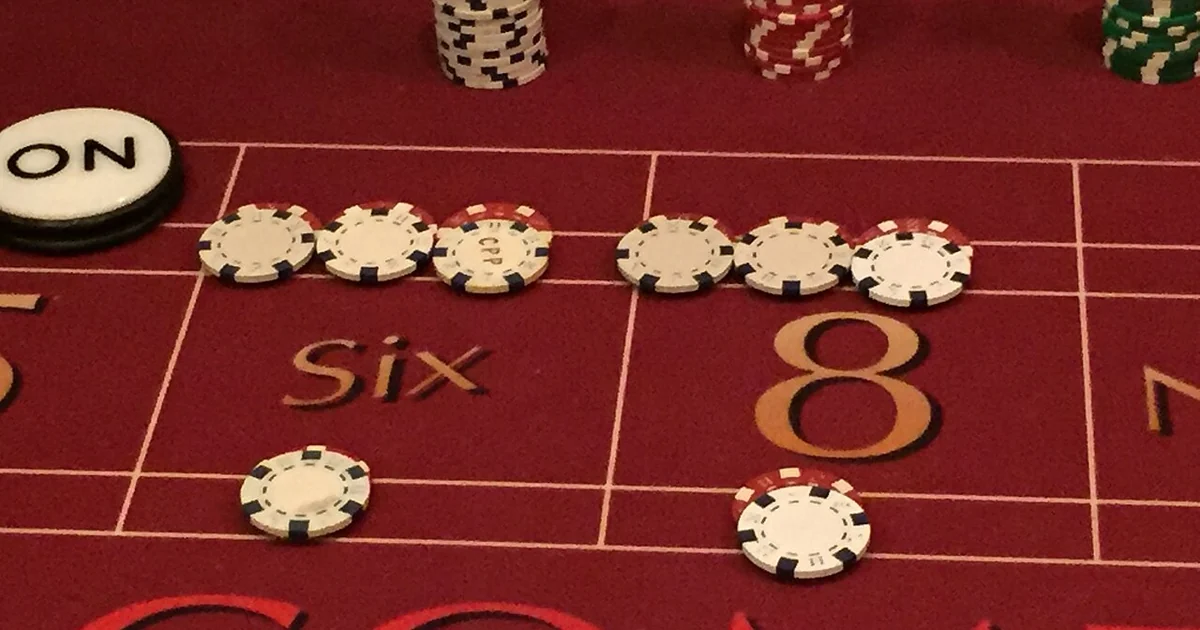
A simple checklist prevents most mistakes. Before any post goes live, confirm the following: Does it name or identify any member, directly or by strong hints? Does it reveal membership size, schedule, or who was invited? Does it describe private invitation details or the waiting process in a way that could be misread as a promise? Does it refer to play chips in a way that could suggest they carry cash value? Would the club's owner be comfortable seeing this exact text quoted publicly?
Any 'yes' answer to the first three questions means the post needs revision before publication. The chip question deserves particular care, because play chips without cash value are a specific feature that should be described accurately and never framed as a route to winnings.
Compare two common approaches
Consider the difference between a page that celebrates 'our best players' and one that celebrates 'a well-played hand from last month's session.' The first invites comparison, rankings, and personal attention, and it quietly makes some members feel exposed while others feel overlooked. The second keeps the credit with the play itself and invites readers to study the decisions. The second approach is usually better for private clubs because it respects members without requiring them to opt into visibility.
A comparable contrast exists between pages that publicize how to get in and pages that describe the club's values and then explain that access runs through owner-approved invitations. The former can read as a sales pitch and may set expectations the club cannot meet. The latter gives honest information and lets interested readers ask questions directly.
Keep the invitation process honest
Readers who see a private club often want to know how to join. A fan page can answer this without overpromising. State that membership is invitation-led and approved by the owner. Avoid implying that any particular action guarantees a place, that waiting periods have fixed lengths unless the club has stated them, or that outside contacts can arrange entry. Ask the club's leadership to review the wording so that the page matches what actually happens.
Finally, plan the page as something that will need upkeep. Assign someone to review new posts against the checklist, and revisit older content when membership practices change. A fan page that stays accurate and respectful over time builds more trust than one that chases attention in a single burst.