Promoting Play Chips Without Implying Cash Value
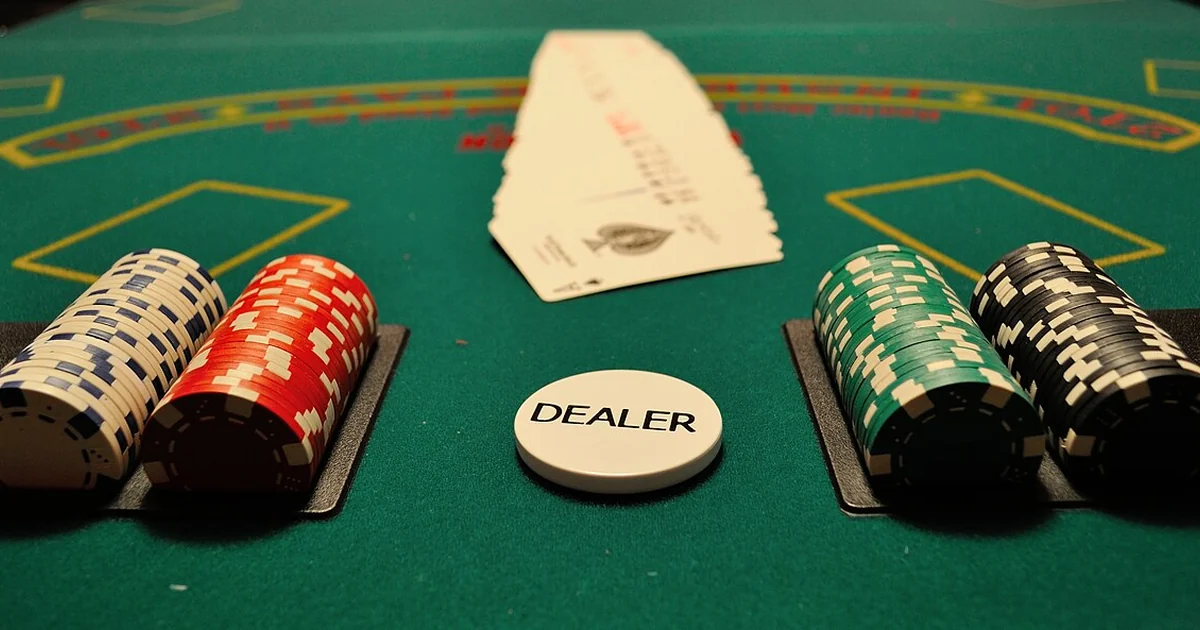
Private poker clubs often describe their chips in a way that sounds simple, yet the wording around chips shapes how members and fans understand the whole activity. When a club says its play chips have no cash value, that sentence is doing real work. It sets expectations about what can be won, what can be redeemed, and what kind of game is being played. This article looks at how to promote that idea clearly, without slipping into language that suggests more than the club has actually said.
Start With the Plain Statement
The most reliable promotional line is the one already on the page: the club is a private, invitation-led poker club, membership is approved by the owner, and the play chips have no cash value. Repeating that in plain words is more useful than inventing a shorthand. Operators often want a punchier version, such as calling the chips points or rewards, but each new term risks implying a redemption path that does not exist.
Before publishing any chip-related copy, write the claim as a single sentence and check it against the source. If the sentence includes words like win, earn, cash out, prize, or balance, pause and ask whether the club has stated that the chips carry such meaning. If it has not, remove the word.
Separate the Chips From the Community
Fans often conflate the social pleasure of a table with the value of the chips in front of them. A promotional piece can describe the table itself: the regulars, the rhythm of a game, the conversation between hands. That is the part that belongs to the club's identity. The chips are a tool for keeping score in a game played for fun.
Keeping these ideas separate lets you promote the experience honestly. A line like "Your table, your people" speaks to belonging. A separate line about play chips speaks to the game's structure. Mixing them tends to suggest that the community is a financial arrangement, which is not what the club has described.
A Checklist for Chip Copy
Use the following questions before any chip-related post, email, or social update goes out. Does the copy state that the chips have no cash value, or does it leave that open? Does any phrase imply a balance, a payout, a bonus, or a reward that can be exchanged? Does the image or caption show chip stacks in a way that looks like money? Would a new visitor understand that membership is by invitation and approved by the owner? Does the piece invite readers to join without promising outcomes such as winning or improving at the game?
If the answer to any of these is unclear, revise the text. Operators sometimes find that a single clarifying sentence near the top of a post solves most of the problem.
Comparing Two Ways to Describe the Same Game
Consider two drafts of the same announcement. The first says: "Join our tournament and build your chip stack for the big prize." The second says: "Our Friday session plays with play chips that have no cash value. Join the table, learn the regulars, and enjoy the hands." The first draft implies a prize and a stack that matters beyond the game. The second draft describes the same event accurately and keeps the focus on the table.
The difference is not about enthusiasm. Both drafts can be energetic. The second simply tells the reader what the chips are and what they are not, which protects the club and gives fans a clear picture.
Questions Fans and Operators Should Ask
Readers who want to understand a private poker club should ask how membership works, who approves it, and what the chips represent. Operators should ask whether their promotional language matches their own published terms, and whether a reader could mistake the chips for something with monetary value. When those questions are answered in writing and repeated consistently across channels, promotion becomes simpler and more trustworthy.
Good promotion for a private club rests on clarity. Describe the table, state the chip facts plainly, and leave out anything the club has not said. That discipline keeps the message accurate and gives members and newcomers a reason to trust what they read.