Storylines Drawn From the Table Itself, Not From Its Stars
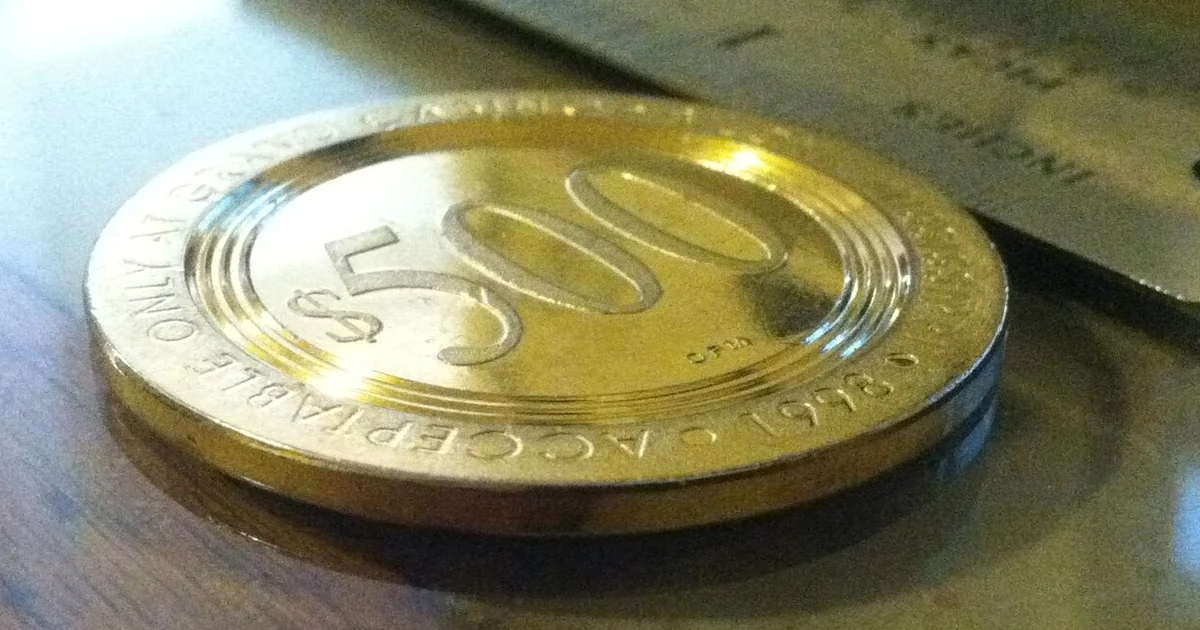
Most tournament coverage begins with a name and works backward to a result. In a private poker club, that habit causes trouble quickly. Members join through an owner-approved process, many prefer to stay low-profile, and the play chips used at the tables have no cash value and no public standing. A storyline that treats one member as the protagonist can feel exciting on paper and still break the trust that keeps a closed group together. This article offers a different starting point: let the structure of the event generate the narrative. Seating assignments, the sequence of hands, the rhythm of blind increases, and the shifting relationships across a table all carry natural drama. Operators and fans who learn to read those elements can tell stories that are engaging, accurate, and considerate of everyone involved.
Start With the Event's Structure
Every tournament has a skeleton before any player takes a seat. There is a starting stack, a blind schedule, a number of tables, and a point at which tables merge or players are eliminated. These features are facts the club controls, and they make a reliable foundation for storytelling. A narrative built on the schedule ('the blinds reach a level that forces every short stack to commit') is verifiable and does not depend on anyone's reputation.
Before drafting anything, write down the structural milestones of the event in order: the first break, the first table closure, the bubble, the final table. Each milestone is a chapter break. Asking what changed at that moment, in terms of stack distribution, seat position, or table composition, usually produces a better story than asking who was the biggest name present.
Follow Tables and Seats, Not Celebrity
Table dynamics are the most underused source of tournament drama. When a short stack sits to the left of a large stack, pressure builds in predictable ways, and that relationship can be described without naming anyone outside the room. Position at the table, the rhythm of who raises first, and the way a table changes after a player leaves all give writers concrete material.
Ask these questions when you review your notes: Which seat pairings persisted for several levels? Did a table's tone shift after a particular elimination? Where did the largest pot of the event occur relative to the button, and what did the betting sequence reveal? Writing about seats rather than individuals keeps attention on the game and lets readers draw their own conclusions about the people involved.
Build Arcs From Hands, Then Pull Back
A hand is a self-contained unit of decision-making. It has a setup, a sequence of actions, and a resolution, which makes it an efficient story beat. The most useful practice is to select three or four hands from the event that illustrate a larger pattern, such as a table learning to fold more against aggression, or a stretch where patience paid off. Describe each hand in terms of the decisions available and the information each player had, then step back to show what the pattern meant for the overall tournament.
This approach avoids the trap of portraying outcomes as talent or luck. A well-described hand shows the reasoning available at the time. Readers who play can follow the logic, and readers who do not still understand why the moment mattered.
A Practical Checklist Before Publishing
Before you publish a tournament storyline, run through these checks in plain order. First, confirm that every structural claim, such as blind levels, table counts, or elimination order, matches your event record. Second, confirm that the storyline can be understood without identifying any individual beyond what the club has approved for publication. Third, check that no sentence implies that play chips carry cash value or that results carry any outside standing. Fourth, ask whether a reader could mistake a dramatic framing for a guarantee about future events. Fifth, ask whether each hand you describe is described fairly from every seat involved.
Compare two versions of the same recap. The first opens with a named player's streak and builds around that person. The second opens with the event's bubble moment, describes the two tables that merged, and follows the seat changes that followed. The second version is usually more accurate, more interesting to people who play, and far less likely to cause a member to feel exposed. Choosing the second structure consistently is the practical habit that makes tournament storylines work in a private club.