Designing a Poker Fan Page That Respects Private Club Boundaries
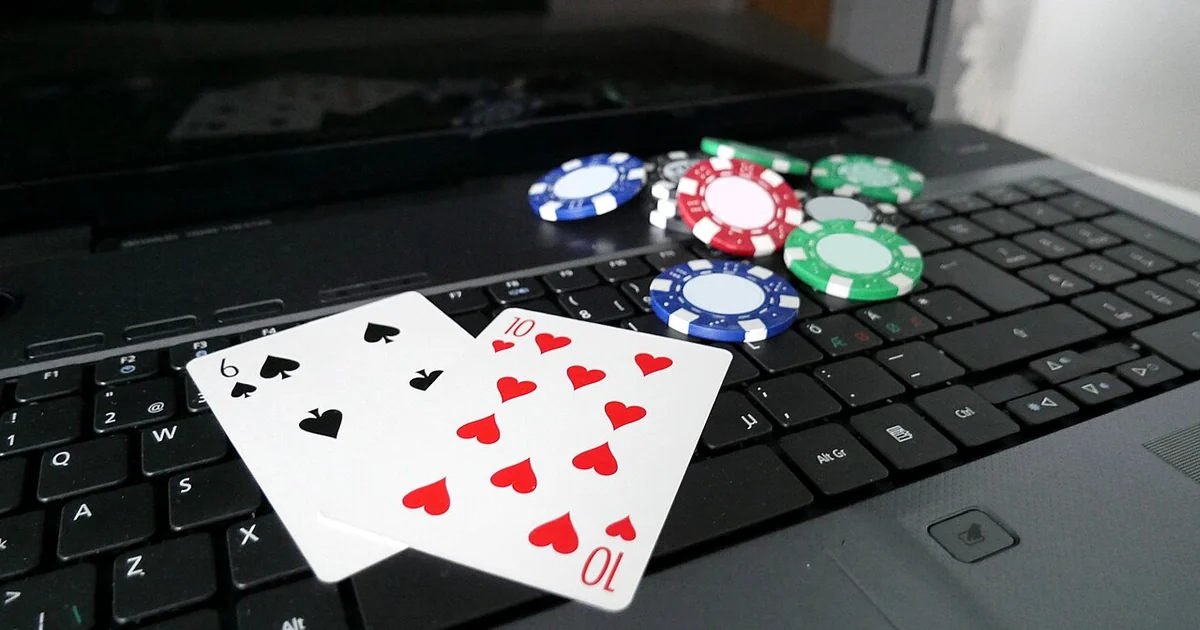
A fan page for a private poker club sits in an unusual position. Its purpose is to make people curious and help enthusiasts feel connected to a community, yet the club itself is built on invitation and owner-approved membership. That tension is manageable, but only if the page is designed with the club's boundaries in mind from the start. This guide walks through the decisions operators and fans should think about when a poker page is meant to represent a room that is not open to everyone.
Start with what the page is for
Before choosing a layout or writing a single post, define the page's job in one sentence. A fan page might exist to share the club's general culture, to answer common questions from poker enthusiasts, to announce that a community exists, or to give members a place to find each other's shared interests. Each purpose leads to different content. A page built to explain the spirit of a private room will look very different from one built to recruit players.
A narrow purpose protects the club. When a page tries to be everything, it tends to drift into promises about access, outcomes, or exclusivity that the operator cannot back up. Write the purpose down, share it with anyone who contributes content, and check each new post against it.
Describe the model accurately
Poker fans respond well to clarity. A fan page should state plainly how the room works: that it is private, that membership is invitation-led and approved by the owner, and that play chips carry no cash value. These are facts a reader is entitled to understand before they ask about joining. Hiding them, or implying that the club is something it is not, creates confusion and erodes trust quickly once a visitor realizes the real structure.
Accuracy also means avoiding vague language like 'big winnings' or 'guaranteed action.' Describe the experience in concrete terms instead: the kinds of games discussed, the etiquette the community values, the rhythm of how the room operates. Concrete description informs readers without making claims that the operator cannot verify.
Choose content that builds understanding
Useful fan content tends to fall into a few categories. Strategy explainers about general poker concepts, such as position, pot odds, or reading betting patterns, attract enthusiasts regardless of whether they ever join a private room. Etiquette pieces about table conduct, dealing protocols, and respectful talk help set expectations. Historical or cultural notes about card rooms give the page depth. Each of these gives visitors a reason to return that does not depend on a membership pitch.
Avoid content that depends on specific claims about the platform's features, security, or service levels unless those are formally documented by the operator. If you cannot confirm a detail, leave it out rather than estimating. Readers forgive a page that says less; they do not forgive one that says something untrue.
A checklist for reviewing a poker fan page
Before publishing, a card-room operator can run through a short review. First, does the page state that membership is invitation-led and owner-approved? Second, does it explain that play chips have no cash value, and is that statement easy to find near any discussion of gameplay? Third, does every claim about the room appear in the operator's own documentation, and is anything else removed? Fourth, does the content help a poker fan learn something whether or not they ever plan to join? Fifth, is there a clear, honest path for interested visitors to ask questions, without pressure or promises attached?
Fans, too, should ask questions when they encounter a poker page. Does it explain how membership works? Does it describe what it cannot offer as well as what it can? Does it avoid urgency tactics and guarantees? A page that answers these questions openly is usually a page run by people who take the boundaries of their community seriously.
A poker fan page can be engaging without being misleading. When it respects the private nature of the room, explains the rules of play-chip use plainly, and focuses on genuine poker interest, it serves both the operator and the people who visit it.