Writing Tournament Recaps Around Hands, Not Heroes
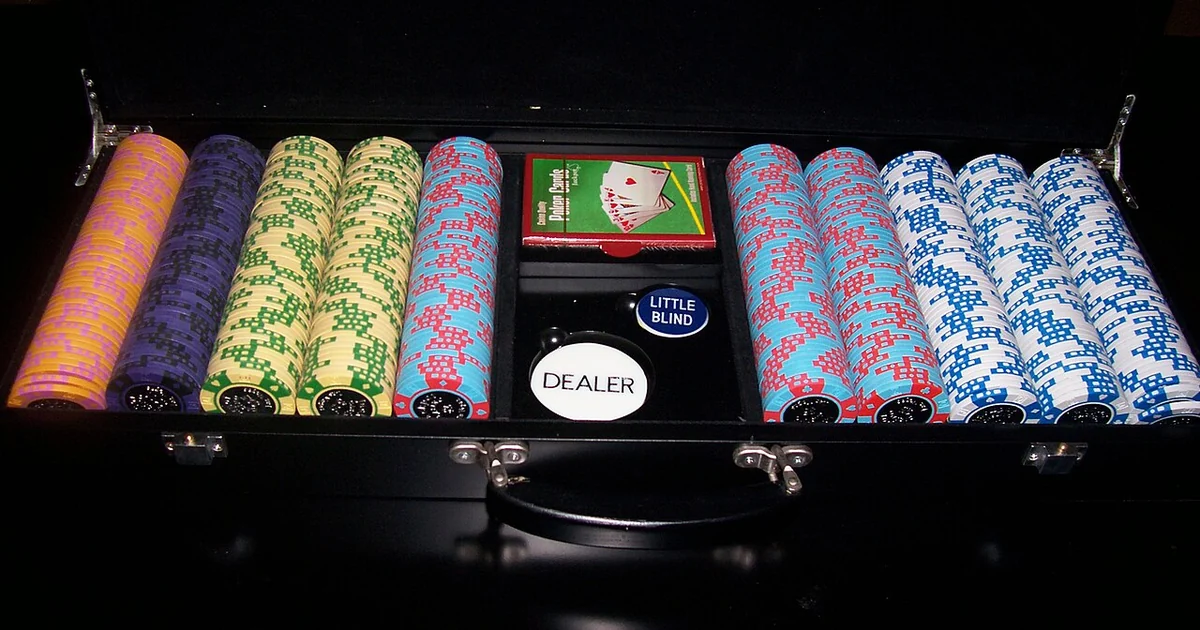
Every tournament produces a story, but the story people remember is often shaped by who writes it and what they choose to emphasize. In a private, invitation-led poker club, where members know each other and play chips carry no cash value, that choice matters even more. A recap that turns one player into a villain or a hero can sour relationships in a way that a tight, well-told account of decisions never would. This article looks at a different angle: building tournament storylines around key hands, pivotal decisions, and the structure of the event itself, so that readers come away understanding what happened and why.
Start With the Structure of the Event
Before deciding what the story is, map what the event looked like. Note the number of entrants, the starting stack depth, the blind schedule, and how many rounds of play it took to reach the final table. These facts give a reader the frame they need. A tournament that ran four hours with blinds rising every twenty minutes tells a different story than one that stretched past midnight with a slow structure.
Structure also explains why certain moments mattered. A bubble that lasted three hands because the big stacks were avoiding confrontation is a storyline about incentives, not courage. When you describe the architecture first, the individual moments make more sense and readers do not have to guess at context.
Anchor the Narrative in Pivotal Hands
Poker tournaments are made of thousands of small decisions, but only a handful reshape the outcome. Identify three to five hands where the chip count moved meaningfully or where a player's options were constrained. For each, write down the stack sizes, the position, the action before the decision, and the result. Describing the hand in these terms keeps the account factual and lets readers evaluate the decision themselves.
Avoid retrospective certainty. A call that won a pot may have been a poor decision, and a fold that lost a pot may have been correct. Describe what the player could see at the time, and separate the quality of the decision from the outcome. This approach respects the players involved and produces a more useful read for anyone who wants to learn from the event.
Balance Narrative Arcs Without Inventing Drama
Readers enjoy tension, and a good recap builds it through pacing rather than embellishment. Show how the chip leader's lead narrowed over several levels, how short stacks were forced into shove-or-fold spots as blinds rose, and how the final table's dynamics changed when two players had similar stacks. These are real pressures that create suspense without requiring you to add quotes, motives, or emotions that no one reported.
Be cautious about attributing thoughts to players. Unless a player has described their reasoning, write about what the action showed rather than what they must have been feeling. This keeps the piece grounded and avoids creating narratives that could embarrass someone who was at the table.
A Checklist Before You Publish
Before publishing a tournament storyline, confirm the following. Verify every chip count and position against your notes or the event record. Confirm that each named player has agreed to appear in the account, or that the reference is limited to public table information. Check that the blind levels and structure described match what was actually used. Ask whether any sentence implies a motive, a personal trait, or a judgment about a player's character that the evidence does not support.
Ask a second person who was present to read the draft. Ask them whether the sequence of events is accurate and whether anything important is missing. Finally, ask whether the story would still be fair to the players if they read it the morning after. If the answer to any of these is uncertain, revise until it is clear.