Promoting a Private Poker Club Through Its Invitation Process
Most private poker clubs share a quiet problem: the thing that makes them appealing is also the thing that makes them hard to explain. A table run by people you know, with membership approved by the owner, sounds exclusive in a good way, but a prospective player reading a brief promotion may not understand what that actually means. This article takes a different angle from the usual promotion advice. Instead of focusing on reach or messaging volume, it looks at the invitation process itself as the central subject of your public communication, and at how to describe it accurately so that interest turns into informed applications rather than disappointed visitors.
Start With What the Invitation Actually Means
An invitation-led club asks people to wait for approval before they can sit down. That waiting is a feature of the experience, not a hurdle to hide. When you write about it, say plainly that membership is owner-approved and that the club is private. Readers should be able to finish a page and know who decides who joins and roughly how that decision is made.
Avoid language that suggests guaranteed access, automatic seats, or a timeline. Phrases such as "join instantly" or "your seat is waiting" create expectations the process may not meet. A better line describes the sequence: a person expresses interest, the owner reviews the application, and approved members are then welcomed in. Each step should be something you can honestly stand behind.
Explain Play Chips Without Blurring Their Purpose
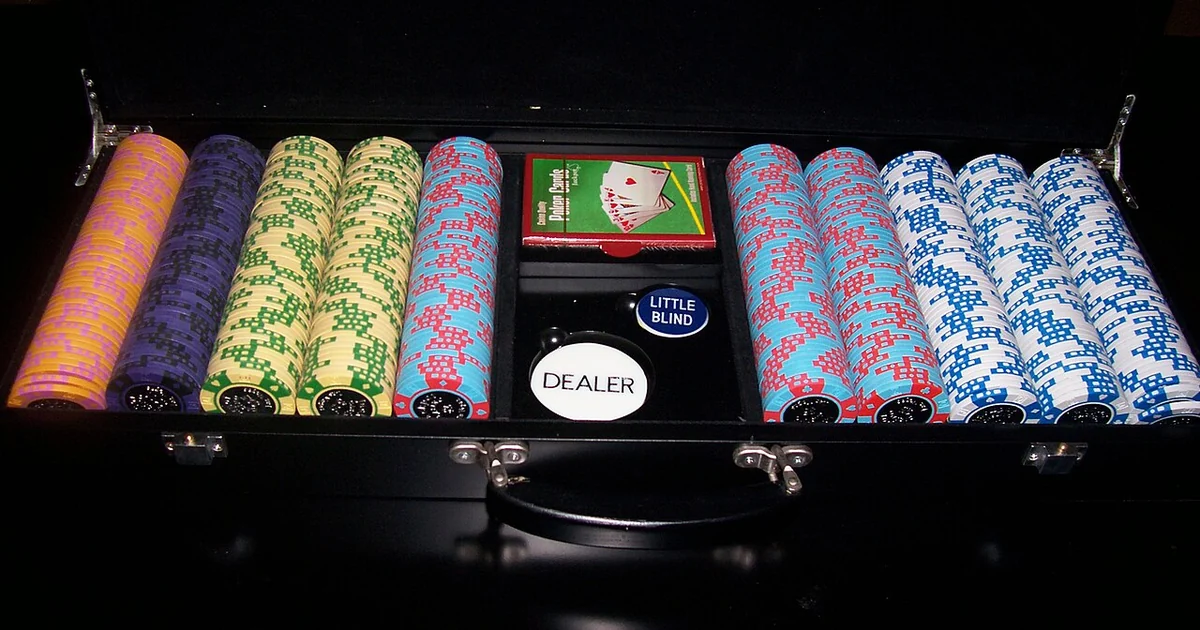
Play chips with no cash value are a central fact for this kind of club, and they deserve direct treatment. Many readers arrive with assumptions drawn from other gambling or gaming products. Your job is to state clearly what the chips are for, which is play within the club, and what they are not, which is currency that can be redeemed or converted to money.
Repeat that point in more than one place: on the main page, in any description of games, and in any FAQ. Do not describe chips as "prizes" or "winnings" in a way that suggests monetary value, because that invites confusion and can mislead people about what they are signing up for. Clear, consistent wording protects both your reputation and your visitors.
A Checklist for Honest Invitation Copy
Before publishing any promotional text about membership, run through a short set of questions. Does the copy name the owner-approval step? Does it say the club is private? Does it state that play chips have no cash value? Does it avoid promises about approval speed, seat availability, or outcomes? Does every claimed feature appear in your official materials, rather than being inferred from general poker knowledge?
A second pass should look at tone. Exclusivity framed as courtesy rather than scarcity tends to hold up better over time. Words like "welcoming selected players" describe the same reality as "invitation only" without sounding like a velvet rope. Choose the version that reads as a fair description of how people are brought in.
A third pass concerns the audience split. Poker fans and card-room operators read the same page for different reasons. Fans want to know what it is like to play and how to get approved. Operators want to know how the invitation model works and whether it fits their own community. A short section addressing each group, written in plain paragraphs, serves both without padding.
Questions Worth Asking Before You Publish
Before any campaign goes live, ask a few questions of your own team. Who answers an applicant's first question, and how quickly? If someone asks whether a particular feature exists, is there a single source of truth they can be pointed to? If a claim cannot be traced to your official site or stated policy, should it be in the copy at all?
These questions are not glamorous, but they prevent the most common promotional failure in private communities: a well-meaning sentence that promises more than the club delivers. The fastest way to lose a prospective member is to let them discover a gap between the pitch and the experience.
Finally, treat your promotion as an ongoing record rather than a one-time launch. Revisit older pages when membership rules change, and retire any language that no longer matches how the club operates. Accurate, modest promotion tends to build trust that louder promotion cannot buy, and for an invitation-led club, trust is the thing the entire model depends on.