Promoting Play Chips Honestly: Language That Protects Members and Fans
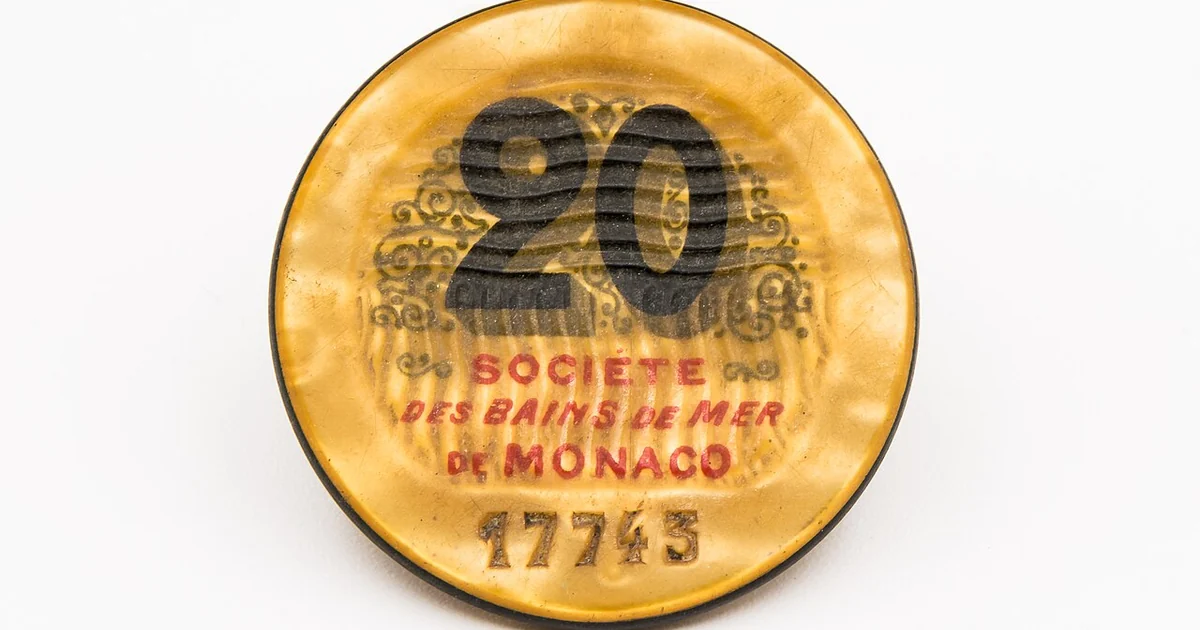
Promotion for a private poker club sits on a narrow line. Fans want to feel the energy of the table, prospective members want to know what they are being invited into, and operators want their language to match what actually happens in the room. When a club uses play chips rather than money, the risk of confusion is real: a stack of colored chips looks like currency, a leaderboard looks like a prize ledger, and a phrase like "big winners" can quietly suggest a payout that does not exist. This article offers a practical approach for writing about play chips in a way that is accurate, appealing, and respectful of everyone reading it.
Start With the Fact Stated Plainly
The most useful sentence in any piece of promotion about a play-chip club is the one that states what the chips are. A good version says that play chips have no cash value, cannot be cashed out, and exist only to keep score within the club's own games. This sentence does not need to be buried in fine print or apologetic in tone. It can sit near the top of a page as a simple description of how the club works, the same way a sports league explains its scoring system before discussing its season.
Writers often resist stating this plainly because they worry it will cool interest. In practice, clarity tends to build trust. Readers who understand the model are more likely to join with accurate expectations, and they are less likely to feel misled later. A club that is candid about its chips signals that it respects its members enough to tell them the truth.
Avoid Words That Imply Money
Certain vocabulary carries financial weight even when nothing financial is happening. Words such as "payout," "cash," "winnings," "prize pool," and "bankroll" will be read as money unless they are explicitly qualified. Phrases like "biggest winner this month" invite the question of what the winner receives, and if the answer is nothing beyond bragging rights, the wording has overpromised.
A practical alternative is to describe activity rather than reward. Instead of "top winners take home the pot," a writer can say "the chip leader at the end of the session," or "the player who finished with the most play chips." Instead of "prize pool," try "chip totals for the evening." These phrasings are not less exciting. They describe the game accurately, and the excitement comes from the hands, the reads, and the competition rather than from an implied payout.
Describe the Invitation Process Without Dramatizing It
A private club's invitation process is one of its most distinctive features, and it can be tempting to present it as exclusivity for its own sake. A more useful approach is to explain what the process does: it lets the owner approve who joins, it keeps the table composition consistent, and it gives members a known group to play with. Describing these functions makes the process feel purposeful rather than snobbish.
When promoting the invitation step, writers should avoid implying that membership is a status symbol or a guaranteed experience. An accurate line might read, "Membership is by invitation and approved by the club owner." That sentence tells readers what to expect without promising admission to anyone who asks.
A Checklist Before You Publish Any Chip-Related Copy
Before a promotional piece goes live, run it through a short set of questions. First, does the text state that the chips have no cash value? Second, does any word in the piece, such as payout, cash, prize, or winnings, carry a meaning that the club does not actually offer? Third, does any sentence suggest that a particular player, result, or outcome is guaranteed? Fourth, would a reader who knows nothing about the club come away with an accurate sense of what they would be playing for?
Fifth, is there a link or phrase that sends readers to the official site for the current membership details, rather than repeating terms that may change? Sixth, have you avoided describing features the club has not explicitly described, such as specific security measures, service levels, or support commitments? If you cannot confidently answer yes to the first four and the fifth and sixth are handled by pointing to official sources, the copy needs another pass.
Writing for Fans and Prospective Members at Once
Fans of poker often enjoy watching hands and following players even when they are not members. Operators can serve this audience by writing about the game itself: the logic of a well-timed bluff, the discipline of folding strong-looking hands, the way a table's mood shifts over a long session. Such writing rewards attention and does not require revealing private details about members.
Prospective members need a different kind of information: how the club is organized, what the invitation step involves, and what play chips are and are not. A single page can address both audiences if its sections are clearly labeled. Readers can then find what they came for without the promotion blurring the distinction between watching the game and joining it.